Introduction
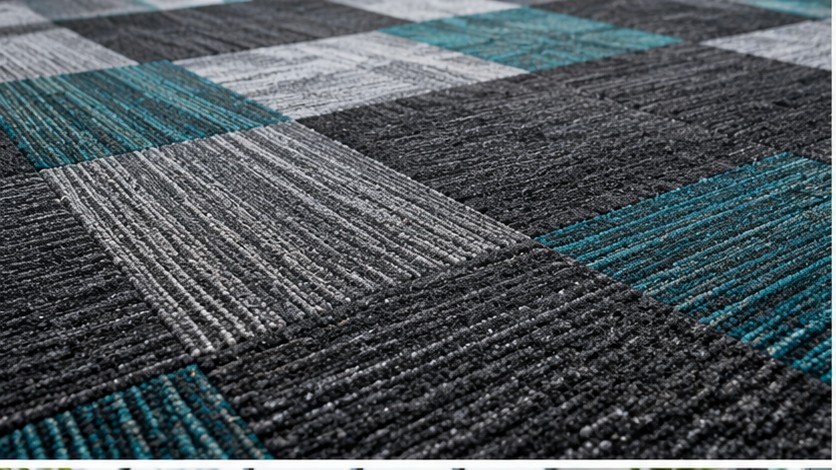
Commercial flooring must do more than look attractive. In busy offices, retail spaces, corridors and reception areas, it needs to suit daily foot traffic, furniture movement, cleaning routines and the character of the interior. Carpet tiles—also called modular carpet—are individual flooring units that can be arranged in patterns and selectively replaced. MFloor lists carpet tiles among its product categories for offices, hotels, retail stores and other commercial interiors. This guide explains what project owners should assess before choosing them.
1. Start with the Traffic Pattern
Map how people use the space before selecting a design. Reception areas, lift lobbies, corridors, pantry routes and entrances usually experience different levels of wear. Identify concentrated paths, chair-wheel zones, trolley routes and places where dirt or moisture may be tracked inside. A product suitable for a private office may not be the right specification for a public lobby. Ask the supplier to recommend a product for the actual use classification and expected traffic, and request supporting technical documents.
2. Check the Surface Construction
Look beyond colour and pattern. Ask about the carpet fibre, pile construction, pile height, density, face weight and backing system. Loop-pile and textured designs are common choices to discuss for commercial use, but no single feature guarantees performance. Fibre type, yarn quality, density, backing, installation and maintenance all work together. Compare complete product specifications rather than choosing only by a photograph or a single weight figure.
3. Choose Colours and Patterns for Real-World Use
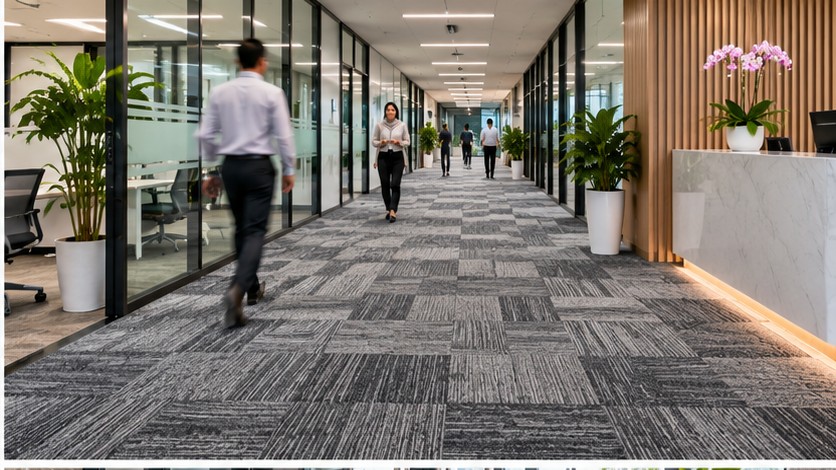
Mid-tone colours, multi-tone patterns and directional textures can help disguise everyday dust and minor marks better than very light, solid colours. Consider how the carpet will look under the actual lighting and beside wall finishes, furniture and branding. Request physical samples and view them at the site if possible. If future replacement is likely, ask whether the same colourway or a compatible alternative can be reordered. Keep spare tiles from the original batch where practical.
4. Use the Modular Format to Plan Flexible Spaces
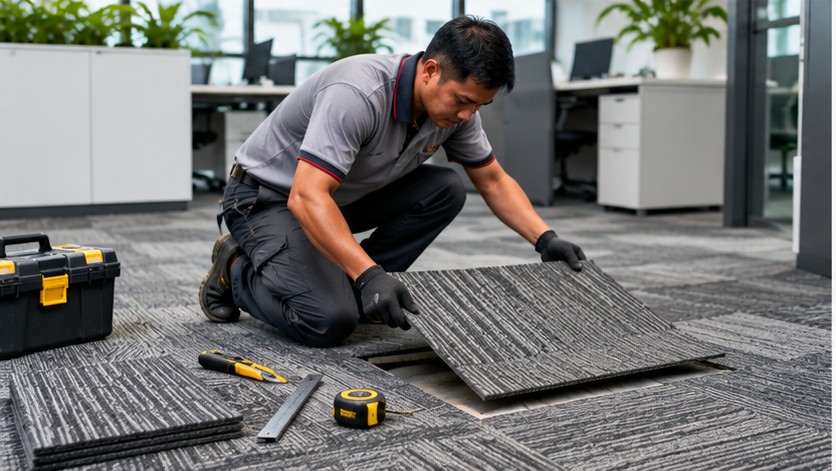
One advantage of carpet tiles is that individual units can be lifted and replaced when a local area becomes stained or damaged, subject to the product and installation system. Modular layouts can also support zoning: for example, a subtle change in direction or tone can distinguish collaboration areas from circulation routes without adding partitions. Plan the tile direction, starting point, perimeter cuts, transitions and any access-floor requirements before installation. Confirm the manufacturer’s recommended adhesive or fixing method; systems differ.
5. Prepare the Subfloor and Install Correctly
A successful installation begins with a dry, clean, sound and suitably flat substrate. Remove dust, grease, loose coatings and residues; repair cracks or uneven areas; and test moisture where required by the product instructions. Follow the specified acclimatisation, room-condition, adhesive, layout and rolling procedures. Poor preparation can lead to movement, gapping, raised edges or visible irregularities. Use a qualified installer and retain the product’s installation guide and batch details for future maintenance.
6. Build a Practical Cleaning Plan
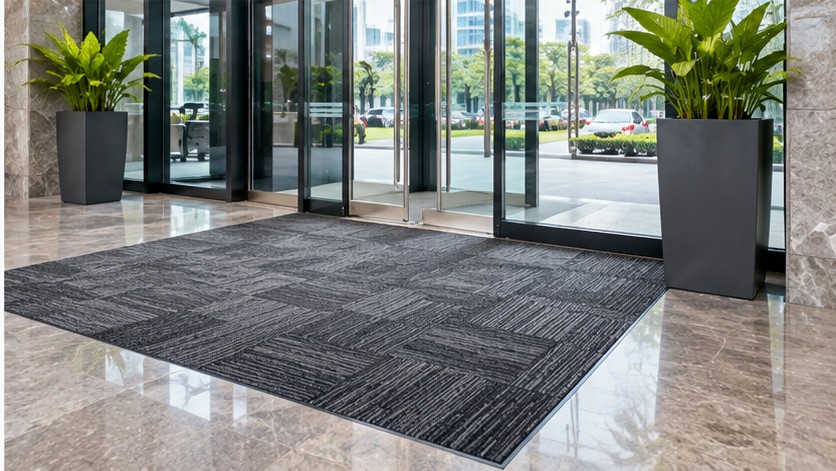
Set a maintenance routine before the floor is handed over. Place suitable entrance matting to capture soil and moisture, vacuum regularly, and respond quickly to spills using the product maker’s approved method. High-traffic entrances and main corridors generally need more frequent attention than private offices. Keep a record of cleaning products and procedures, and avoid harsh chemicals or excessive moisture unless the manufacturer confirms they are suitable. Replace an individual tile only after identifying the cause of the damage or staining.
7. Review Total Project Value, Not Just Unit Price
Compare quotations on a like-for-like basis. Include tile price, subfloor preparation, adhesive or fixing system, installation labour, wastage, transitions, skirting details, spare stock and ongoing cleaning. Ask about warranty scope, exclusions, expected maintenance and product availability. A lower initial price may not represent the best project value if the specification, installation or future replacement plan is unsuitable. Request written confirmation of all critical performance claims.
Conclusion
Commercial carpet tiles can give businesses design flexibility and a practical way to manage local wear and replacement. The strongest specification starts with the space’s traffic pattern, then checks the full construction, backing, colour, installation requirements and maintenance plan. MFloor’s catalogue includes carpet tiles and other commercial flooring categories; project teams can discuss samples and suitable options with the supplier before finalising a specification.
Planning a commercial carpet tile project? Contact MFloor to request physical samples, review technical specifications, and discuss your space.
Frequently Asked Questions
Can one damaged carpet tile be replaced?
Often, yes: modular construction is designed to allow individual units to be lifted and replaced, but the exact method depends on the product and fixing system.
Are carpet tiles suitable for every busy area?
Not automatically. Select a product rated for the expected traffic and conditions, and confirm any limitations with its technical data.
Should carpet tiles be installed over an uneven floor?
No. The substrate must meet the manufacturer’s preparation and flatness requirements.
Why keep spare tiles?
Spare units from the original batch can help with future local repairs and colour matching.